
Guide
Books made into movies: the classics behind famous films
A good share of the films people call classics started as books, and many of those books are now free to read. This guide goes through the best-known movies based on books in Doomreader's free catalogue, with the main films made of each and something the book has that the screen never managed to keep.
Updated 10 Oct 2026


The years are those of each film's first release. Only well-known films are listed and television series are left out, which is why the 1995 Pride and Prejudice is missing. Every book opens free in the app, to read as short posts or to listen to.
Dracula
by Bram Stoker
On film: Nosferatu (1922), F. W. Murnau's unofficial version; Dracula (1931), with Bela Lugosi; Bram Stoker's Dracula (1992), directed by Francis Ford Coppola.
The novel is made entirely of letters, diaries and newspaper cuttings, so you watch the hunters piece the story together from scraps. The Count first appears as an old man with a long white moustache, and Mina, who types up every document and puts them in order, is the real organiser of the hunt.
Frankenstein
by Mary Shelley
On film: Frankenstein (1931), with Boris Karloff; Bride of Frankenstein (1935); Mary Shelley's Frankenstein (1994), directed by Kenneth Branagh.
There is no Igor in the book and no lightning in the laboratory: Shelley passes over the making in a few lines. Her creature teaches himself to read from Paradise Lost and argues his case more eloquently than his maker, something the silent giant of 1931 never gets to do.
Pride and Prejudice
by Jane Austen
On film: Pride and Prejudice (1940), with Greer Garson and Laurence Olivier; Pride & Prejudice (2005), with Keira Knightley.
Austen's narrator is the best wit in the book, and films can only hand her lines to the characters. The novel also gives Elizabeth a whole chapter alone with Darcy's letter, reading it twice and changing her mind about him and about herself, a turn no film has had time for.

Little Women
by Louisa May Alcott
On film: Little Women (1933), with Katharine Hepburn; Little Women (1949), with June Allyson and Elizabeth Taylor; Little Women (1994), with Winona Ryder; Little Women (2019), directed by Greta Gerwig.
The book came out in two parts, and the second, sometimes sold as Good Wives, follows the sisters into marriage and grief. Alcott lets Jo be difficult for longer than the films do, and the girls' game of acting out The Pilgrim's Progress gives the book a shape the screen usually drops.
The Great Gatsby
by F. Scott Fitzgerald
On film: The Great Gatsby (1974), with Robert Redford; The Great Gatsby (2013), directed by Baz Luhrmann.
A short novel, and the one here that depends most on its sentences. Nick Carraway tells the story looking back, and the way he admires and judges Gatsby at the same time lives in his voice, which every film has had to turn into a voice-over.

Wuthering Heights
by Emily Brontë
On film: Wuthering Heights (1939), with Laurence Olivier and Merle Oberon; Wuthering Heights (1992), with Ralph Fiennes and Juliette Binoche; Wuthering Heights (2011), directed by Andrea Arnold.
The 1939 film ends with Cathy's death, about halfway through the novel. The book goes on into the next generation, where Heathcliff's revenge falls on the children, and the whole story reaches you second-hand, through a housekeeper and a lodger who understand less than they think.

Jane Eyre
by Charlotte Brontë
On film: Jane Eyre (1943), with Joan Fontaine and Orson Welles; Jane Eyre (2011), with Mia Wasikowska and Michael Fassbender.
Jane tells her own life and speaks straight to the reader, which films can only imitate. The long stretch after she runs from Thornfield, with St John Rivers and his chilly proposal, is the part adaptations cut hardest, and it is where she decides what she will and will not accept.
The Count of Monte Cristo
by Alexandre Dumas
On film: The Count of Monte Cristo (1934), with Robert Donat; The Count of Monte Cristo (2002), with Jim Caviezel; The Count of Monte Cristo (2024), the French film with Pierre Niney.
Films keep the prison and the escape and squeeze the revenge into an hour. In the book it takes years, with several plots running at once against three men and their families, and it ends with Dantès doubting what his revenge has cost rather than with the happy reunion the 2002 film gave him.
The Hound of the Baskervilles
by Arthur Conan Doyle
On film: The Hound of the Baskervilles (1939), with Basil Rathbone as Holmes; The Hound of the Baskervilles (1959), with Peter Cushing.
Holmes is missing for much of the book. Watson goes down to Dartmoor alone and the middle is told through his reports and diary, so on the page this is Watson's story, and he is braver and sharper than the bumbling sidekick of the 1939 film.
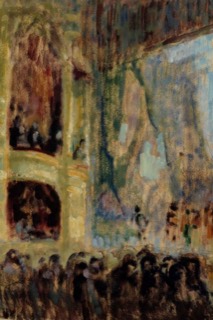
The Phantom of the Opera
by Gaston Leroux
On film: The Phantom of the Opera (1925), with Lon Chaney; Phantom of the Opera (1943), with Claude Rains; The Phantom of the Opera (2004), the film of the Lloyd Webber musical.
Leroux wrote it as a mock investigation, with a narrator sifting the evidence decades later. His Erik is more frightening and more pitiable than the musical's, and the book keeps the Persian, the man who knows Erik's past and leads the way into the cellars, whom the musical dropped.
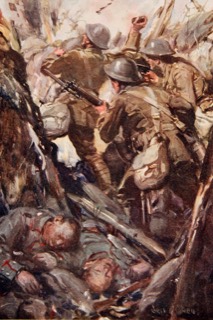
All Quiet on the Western Front
by Erich Maria Remarque
On film: All Quiet on the Western Front (1930), which won the Oscar for best picture; All Quiet on the Western Front (2022), the German film directed by Edward Berger.
Paul Bäumer's leave at home, where he cannot tell his mother anything true about the front, is one of the saddest passages in the book. The 2022 film leaves it out and adds instead the armistice talks, which Remarque never wrote about.
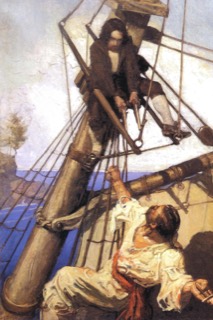
Treasure Island
by Robert Louis Stevenson
On film: Treasure Island (1934), with Wallace Beery; Treasure Island (1950), Disney's first fully live-action film; Muppet Treasure Island (1996).
Jim Hawkins tells it himself, as a grown man remembering how frightened he was, and Long John Silver is all the more dangerous on the page for being so likeable. Stevenson's treasure map and Silver's parrot became fixtures of pirate stories.
The Wonderful Wizard of Oz
by L. Frank Baum
On film: The Wizard of Oz (1939), with Judy Garland.
In the book Dorothy's shoes are silver, not ruby, and Oz is a real place rather than a dream. Baum's journey is longer and stranger than the film's, with a country made of china and the Hammer-Heads who block the road south.
Alice's Adventures in Wonderland
by Lewis Carroll
On film: Alice in Wonderland (1951), Disney's animated film; Alice in Wonderland (2010), directed by Tim Burton.
Disney mixed in characters from the sequel, Through the Looking-Glass, such as Tweedledum and Tweedledee, and Burton's film is really a sequel of its own. The book is short and full of wordplay and parodies of Victorian schoolroom poems, most of which only work on the page.
A Christmas Carol
by Charles Dickens
On film: Scrooge (1951), with Alastair Sim; The Muppet Christmas Carol (1992); A Christmas Carol (2009), directed by Robert Zemeckis.
It takes about two hours to read, not much longer than most of its films take to watch. Dickens's narrator is chatty and funny, and the book keeps the moment when the Ghost of Christmas Present shows Scrooge two starving children hidden under his robe, Ignorance and Want, which many versions leave out.
The Call of the Wild
by Jack London
On film: The Call of the Wild (1935), with Clark Gable; The Call of the Wild (2020), with Harrison Ford.
London tells the story from Buck's side, and it is harder than either film: the dog is stolen, beaten and worked half to death before he answers the wild. The 1935 film turned it into a story about the men, with a romance London never wrote.
Emma
by Jane Austen
On film: Clueless (1995), which moves the story to a Beverly Hills high school; Emma (1996), with Gwyneth Paltrow; Emma. (2020), with Anya Taylor-Joy.
Austen tells most of the book from inside Emma's head while letting you see what she misses, so you are always a step ahead of the heroine and a step behind the author. Miss Bates, played for laughs on screen, is at the heart of the book's turning point at Box Hill.
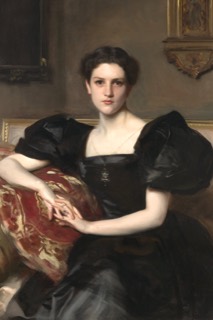
Anna Karenina
by Leo Tolstoy
On film: Anna Karenina (1935), with Greta Garbo; Anna Karenina (1948), with Vivien Leigh; Anna Karenina (2012), directed by Joe Wright.
Half the novel belongs to Levin, a landowner looking for something to believe in, and films keep him to a few scenes. His day mowing hay with the peasants is one of the happiest chapters Tolstoy wrote, and it is the counterweight that makes Anna's story so heavy.
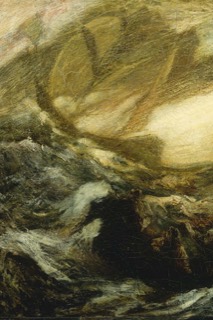
Moby Dick
by Herman Melville
On film: Moby Dick (1956), directed by John Huston, with Gregory Peck as Ahab.
Huston's film follows the chase. The book stops the chase for chapters at a time to explain whales and whaling in loving detail, and Ishmael's friendship with Queequeg is funnier and warmer than anyone expects from a novel about obsession.
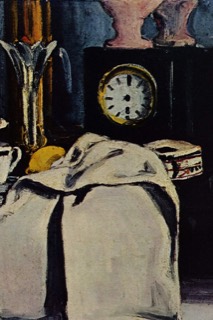
The Time Machine
by H. G. Wells
On film: The Time Machine (1960), with Rod Taylor; The Time Machine (2002), with Guy Pearce.
The 1960 film stops with the Eloi and the Morlocks. The book goes further: the Time Traveller pushes on millions of years, to a red, dying sun and giant crabs on the last beach, one of the most haunting scenes in early science fiction.
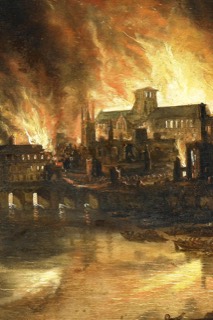
The War of the Worlds
by H. G. Wells
On film: The War of the Worlds (1953), produced by George Pal; War of the Worlds (2005), directed by Steven Spielberg.
Wells set the invasion in the Surrey towns around his own home and marched the Martians on London. The tripods, which the 1953 film swapped for flying machines, are in the book, along with the narrator's brother's escape from London, told almost like a war report.
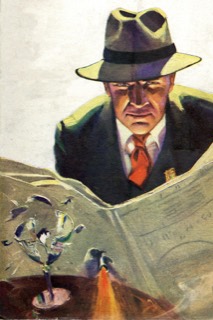
The Maltese Falcon
by Dashiell Hammett
On film: The Maltese Falcon (1931), with Ricardo Cortez; The Maltese Falcon (1941), directed by John Huston, with Humphrey Bogart.
Huston's film is famously faithful, often using Hammett's dialogue word for word. What it leaves out is the Flitcraft story, Spade's account of a man who walked out of his life after a falling beam nearly killed him, which explains more about Spade than anything else in the book.
More classics behind famous films
A few more from the free catalogue, each with its best-known film: Sense and Sensibility (1995, with Emma Thompson, who wrote the screenplay); Great Expectations (1946, directed by David Lean); Ben Hur (1959, with Charlton Heston); The Thirty-Nine Steps (1935, directed by Alfred Hitchcock); The Last of the Mohicans (1992, directed by Michael Mann); and Dr. Jekyll and Mr. Hyde (1931, with Fredric March).
Reading the book after the film
If you have seen the film, you already know the plot, which takes away the fear of getting lost in a long classic. Doomreader turns each of these books into short posts you scroll one screen at a time, with your place kept, so a book like Anna Karenina can be read in the gaps of a day. If your eyes are tired, the app will read it aloud, free, in your device's own voice. The guide to reading the classics has more on starting the long ones.